Showing posts with label children. Show all posts

Thursday, December 24, 2015

A Christmas Special for A Generation: Nostalgic Thoughts on Elmo Saves Christmas

Happy Christmas Eve, everyone! We may not have chestnuts roasting on a fire here in Miami, and the Charlie Brown Christmas special has already aired, but the date is upon us. People are happier despite the crowded stores, and the radio has started to play classic carols. Thus it feels fitting to dive into some nostalgia into what I think about the holiday, regarding a classic PBS show that has been on the air for more than forty years.
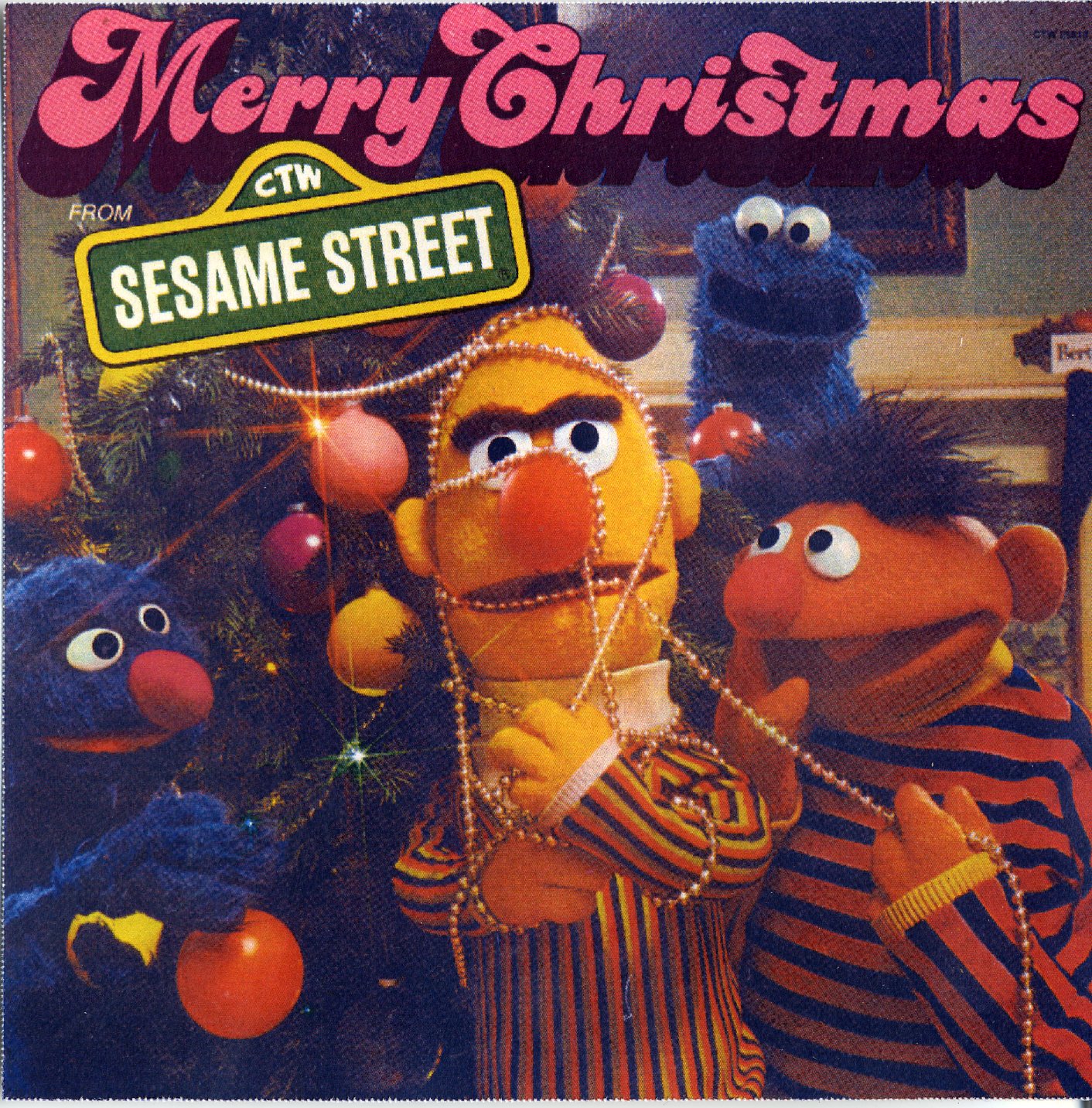
Image source: http://assets.fontsinuse.com/static/use-media-items/25/24455/full-1412x1433/56701c58/sesamestreetchristmas.jpeg?resolution=0

A lot of changes have come to Sesame Street over the past few years. The original puppeteer for the Count, Jerry Nelson, passed away, and the actress Sonia Manzano, who plays FixIt repair-woman Maria, has decided to leave the show, and HBO has recently purchased the Sesame Street franchise, slashing the episode times from 60 minutes to 30 minutes. These changes may be for the best, but at the moment they feel murky and stab at my heart. I didn't lear n everything I knew from Sesame Street, but I learned quite a bit. I remember learning a sobering lesson about Christmas from the show, via a rather unusual holiday special.

Elmo Saves Christmas was a special that aired for a few years during the late 1990s, when Christmas in Miami means the sun shining on the green grass for a couple of days before blasting cold would come in. Kevin Clash was still performing for Elmo, and gave the character's voice an endearing scratchiness that sounded monster-like. Another special has since replaced it, so that you can only find several of the songs online. It featured Maya Angelou narrating how Elmo, after rescuing Santa from a stuck chimney, received a snowglobe that can grant three wishes. Elmo decides to wish that it were Christmas every day, so that everyone will be happy all the time.

Image source: http://img1.wikia.nocookie.net/__cb20060311195440/muppet/images/0/09/Elmo_Saves_Christmas-_Holiday_Favorites_(CD).jpeg


At the time, such a wish didn't sound like a bad idea. Christmas to me simply meant one day of the year when one could receive presents, enjoy good weather, and bask in a warm glow of holiday cheer. Santa during the special then sends Elmo out with a time-traveling reindeer, to show him what happens if Christmas happens every day, keeping people out of school, out of work, unable to send mail, and obligated to buy presents. Elmo's friends seem fine in the spring, slowly start to stress during the summer, and completely crack by winter. Having a holiday everyday nibbles away at the novelty, until what's left is a hollow shell of a celebration.

The special did a good job in not hammering in the message that "Christmas every day is bad" and instead reflecting the childlike naivety. In fact, several characters, like Santa's elves, point out that Santa shares part of the blame in giving a childlike Muppet such power, and imply that similar disasters have emerged from other users of the wish-granting snow globe. Santa seems to admit this in part, especially when his morose song "Everyday Can't Be Christmas" doesn't convince Elmo at first, and he has a rather alarmed expression when Elmo uses his first wish to request a glass of water. He also takes the time to come to Sesame Street, warn Elmo, and give him a way to see what will happen. When Elmo gets a second chance to choose either the snow-globe or an ordinary toy at the special's conclusion, he chooses the ordinary toy but Santa offers him something far more extraordinary that won't cause temporal anomalies. Many questions arise from the fact that despite having given the snow-globe before, he hasn't thought to take it out of production, and one wonders what the previous gift recipients did with their wishes.
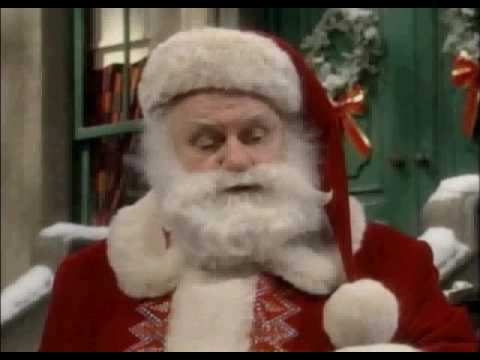
Image source: https://i.ytimg.com/vi/LgDlMHEuQZ0/hqdefault.jpg

The other important thing about this special was that it showed rather than told the consequences, and used concrete imagery to convey these devastating actions. As mentioned in my previous Christmas post, it irked me in Mickey's Christmas Carol how it hammered so much at Scrooge being a miser would condemn him, so that you couldn't sit back and enjoy thirty minutes of animation. In contrast, Sesame Street knew how children thought, that is with visuals instead of words. Elmo can't comprehend consequences in the long term that emerge from too much of a good thing, especially when everyone appears happy on hearing the news. Neither could the viewers at the time, including myself, who came along for the ride. I was quite shocked to see Sesame Street as deserted, and not even Grover trying to sell Christmas trees could add enough humor to quell the blow.

The third thing was that this special showed one Muppet making a series of mistakes, and despite the increasing consequences manages to amend for them. Elmo wishing for Christmas every day is somewhat forgivable, again because he is a child with a childlike mentality. He makes the mistake of not taking Santa's concern seriously, which is again understandable since he cannot visualize the consequences that the man in the red suit brings. The farther Elmo travels into the future, however, the more he realizes that people aren't happy, especially his friends and loved one, but he keeps going forward, hoping that "real Christmas" will recapture the joy that he meant to spread across the year. His final mistake in what happens when he realizes that he has a way to undo Christmas everyday-- with his last wish-- and takes too long to do so, instead of fixing the problem straightaway.  Despite those mistakes, Elmo finds a way to undo his wish, and save everyone from constant holidays.

Image source: http://cdn.madman.com.au/images/screenshots/screenshot_2_1112.jpg
 For those reasons, I do hope that Sesame Street starts airing Elmo Saves Christmas again, with its memorable songs that can make one laugh and also sober up instantly. It isn't often that we have a Christmas special with such mood swings and strong plot to show the consequences of our actions, It's A Wonderful Life notwithstanding, and makes us feel like little kids again. For the moment, as we all do with Christmas, I'll keep the hour-long special with me through the year, with my memories of childhood Sesame Street.
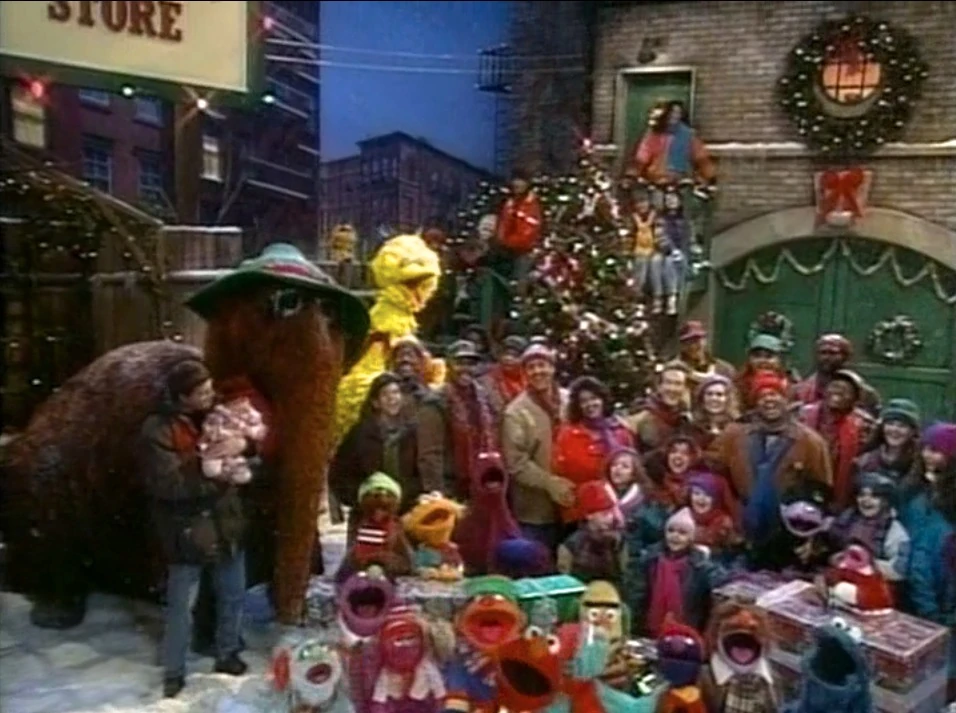
 Image source: http://vignette3.wikia.nocookie.net/muppet/images/6/6b/ESCKeep.jpg/revision/latest?cb=20121222025729

Thursday, November 5, 2015

Nanowrimo Start (Or Lack Thereof) and The Loose Threads Peeve

I hope that everyone had a good start to November, which started with All Saints Day or Dia de los Muertos for those who have Mexican roots or have seen The Book of Life. It’s Nanowrimo season, but I’m taking a long story break due to having worked on a ten thousand word short story for an anthology. I’ll be plotting out works this month and writing on themes, so that when winter break rolls around I can hit the ground running by writing.

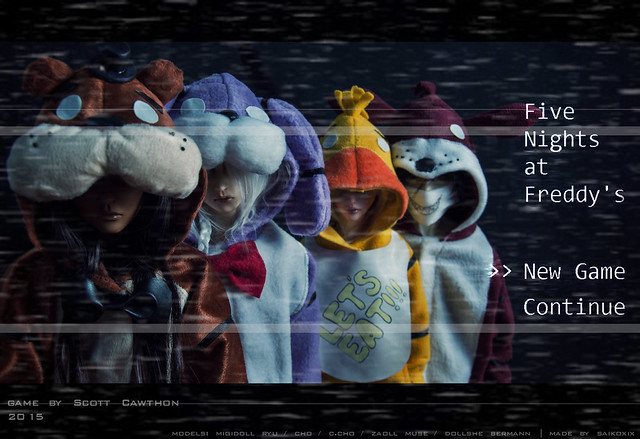
Last year, in August,  I saw an article about the Rock A Fire Animatronics, a robot band that used to perform in Chuck E Cheese franchises but had moved on to perform as a solo act in Orlando. Then I confused the article with some posts I had seen on a place called “Freddy's Pizzeria”, and googled Five Nights at Freddy's. That was stupid.

Image source: http://images.gameskinny.com/gameskinny/548e083ed4f62a16810595a27096da6a.jpg

Five Nights At Freddy’s is a game that features a fictional pizzeria, though a lot of people have claimed that it reminds them of Chuck E. Cheese. It's also a horror game where you play a security guard trapped in a room, having to keep the doors closed against walking, haunted animatronics, but you probably know all this, since it’s become quite the online phenomenon. I made the mistake of watching the trailer at night, and reading up on the gameplay. I was scared of the dark for several months, up until I saw Markiplier playing the game and was able to laugh at his frustration.

Five Nights has since become a multi-game franchise that has sparked a rather controversial and excited fanbase, with the creator Scott Cawthon having released four in total plus a Halloween edition of the fourth game, and even some talk about it becoming a movie. Each succeeding game seemed to add a bit more to the story, making the animatronics seem more tragic than monstrous while showing the utmost cruelty and kindness of human beings. Then Game Four came out, which undid the satisfaction that the viewers got from the third game, and left us with a few ambiguous situations and even more unanswered questions, turning what had seemed like an ostensible “happy” ending into a tragic beginning.

Image source: https://farm8.staticflickr.com/7794/17491422135_a4fbe31a6e_z_d.jpg

This past Fall 2015, Scott has revealed that he knows all the answers to the questions he has kept under wraps, that he plans to make no more games in that original storyline, and that his latest game will be a different story entirely. In addition, he showed a locked box that supposedly held the answers to the game, and told us he wasn’t going to open it. This felt like a huge middle finger to the fans, and to the people like me who weren’t diehard fans but were nonetheless lured in like innocent insects to a sticky mosquito trap.

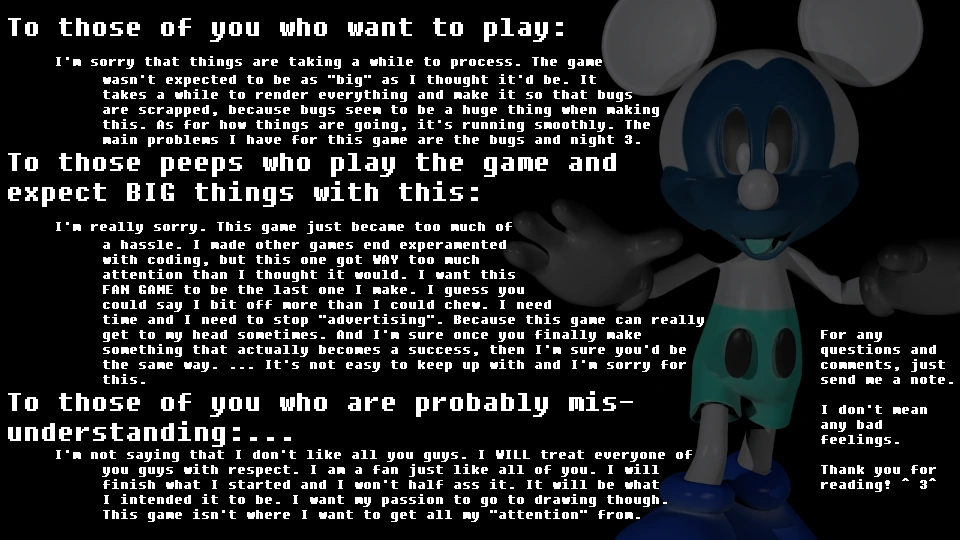
A Five Nights at Freddy’s clone ended, or rather disappeared, in a similar fashion. Five Nights at Treasure Island took the same game mechanic setup and transplanted it to the Bahamas, at the abandoned Disney World resort “Treasure Island”, complete with haunted Mickey, Donald, and Goofy “suits” plus several unknown figures. After two demos, one of which merged several Disney Creepypastas, the game creator and his successors decided to pull the plug on the project. Five Nights at Treasure Island is on indefinite hiatus, with none of their questions answered either.

Image source: http://vignette4.wikia.nocookie.net/five-nights-at-treasure-island/images/8/80/A_message_by_anart1996-d89mmcq.png/revision/latest?cb=20141220122523

Why do I find these actions frustrating? Because the games triggered in me a fear of the dark, but their story helped to alleviate it; I was able to focus on the backstory that fueled the tragedies that had occurred before and during the games. We got the Purple Man, a monstrous human whose true features we never saw, and we saw the fate that befell him when karma caught up to him. Then we see another heinous crime occur, without his involvement on screen, and the viewer becomes unsatisfied. We never see what happens to that perpetrator, and we can’t even place the event on a definitive timeline. Five Nights at Treasure Island is just as bad because while we may have some opinions on how Disney’s business executives skirt across lines and ethical boundaries, the supernatural mystery is quite alluring, more so that if you know that Treasure Island is real, albeit not haunted.

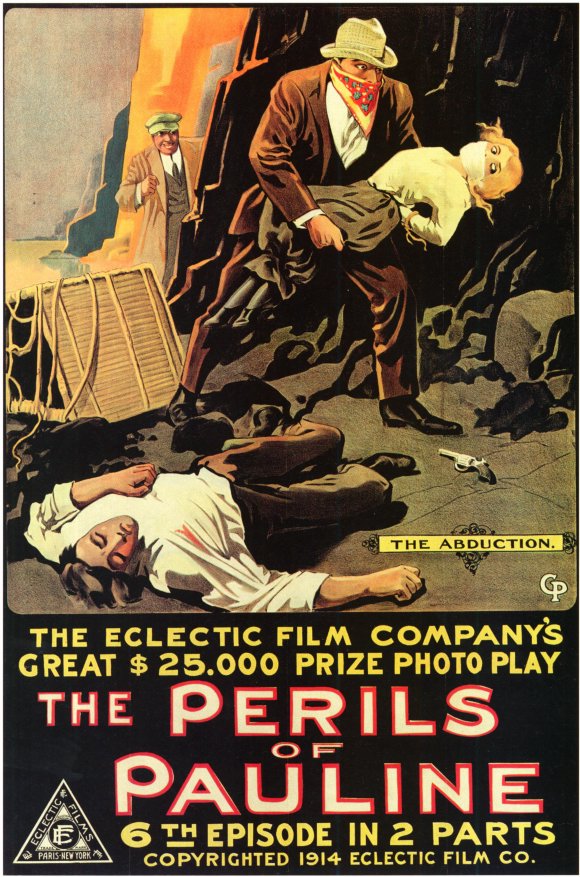
I would call these endings “cliffhangers” precisely because they leave the sensation of what the original cliffhanger, as Charles Dickens put it, must have felt like to the readers either listening to an epic saga, but at least cliffhangers are typically resolved. Instead we have loose threads to two different stories that provoke obsessions, with the creators deliberately withholding the answers. It’s one thing if the creators plan to create a huge reveal in the story, the way Alex Hirsch has done with multiple plotlines in his show Gravity Falls or J.K. Rowling did with Harry Potter, but it’s quite another if he or she plans to never tell that tale. The reader deserves some common courtesy when the creator promises to add more to the story with each installment.

Image source: https://upload.wikimedia.org/wikipedia/commons/8/8c/Perilsofpauline.jpg


If you’re going to write a story with multiple parts, with each succeeding part building on the previous one, you have to promise to answer most of the questions that you set out in a long work. Not answering these questions will lead to frustrated readers, and they will let you know if you missed a spot. Deliberately and openly withholding the stories will provoke anger from the fans, since they have devoted their time to reading. Speaking as a reader and a writer who has been on both sides of the equation, with stories that have made people ask questions and I’ve frustrated them by not answering them, I understand that answering the big questions is the important part. Writers and readers exchange words, and those words must have a current of common courtesy. I know that if I make that mistake, my lovely beta readers will let me know and express their frustration openly.

On that note, I am going to resume my storytelling break and return to detailing themes for the month, and story plotting. For those doing Nanowrimo, good luck and I hope that you meet your 50,000 word goal!


Monday, September 7, 2015

Weekend Trip to Disney

Hi all! I’m back from a two-day trip to Walt Disney World in Orlando. We drove out Friday afternoon and arrived in Miami yesterday evening. The two days in between were quite adventurous.  
We haven’t been to Disney World since 2011, when we stayed in Bay Lake Tower and learned how Disney is accommodating to special allergies and dietary needs for my younger brother. This was going to be fun, short, and sweet. And it all was. On top of that, I smuggled in my Hiccup doll for comfort from the packing stress and the road, and to indulge in the subversive nature of bringing a Dreamworks character to a Disney franchise.  


Hiccup enjoyed himself, I can tell you that. So did we. So much has changed in Disney over the past five years. A few rides, like Snow White’s Scary Adventures, have vanished and been replaced by a Princess Fairytale Hall where you can meet and greet the ladies of Disney. We didn’t go on the new Snow White ride, Mine Train, because the waiting times were between 40 and 60 minutes, but it certainly looked interesting. Fare thee well, Snow White; I wished I had ridden you more often before your 2012 closure. 
On the first day, we went to Epcot, which remained mostly the same as it was in 2011. Spaceship Earth is still the most soothing ride, and my mom’s favorite experience was going on Soarin’. The large globe is soothing to see at night, though the walking between rides and Via Napoli wore us out. I actually fell asleep on my brother after we boarded the Monorail back to our hotel room.


On Saturday and Sunday, we went to the Magic Kingdom. The park is decorated in full for Halloween, even with a month to go before Mickey’s Not-So-Scary Halloween Party. It certainly gives a delicious air to the fall atmosphere. The people dancing around trolleys and singing about hayrides also helped.


The new ride that I loved the most was The Little Mermaid ride. I saw a 3D blueprint of the ride on my Little Mermaid DVD, and was excited to get a chance to go on it. The animatronics were very sophisticated, with the audio matched closely to the lip synching, and there was an extended sequence depicting “Under the Sea” with Sebastian the crab conducting.
With that said, they do cut out the Lovecraftian climax towards the end where Ursula gets angry and takes over the oceans, but I figured that’s a small allowance to make in favor of an actual Little Mermaid dark ride. This took twenty years into the making. The queue was also entertaining, with an animatronic Scuttle providing commentary and a sea-like backdrop.


We also went on Splash and Thunder Mountain; I was terrified of going on the rides as a kid, when we used to go to Disney more often, but I managed to swallow my fear and go on the drops. After all the stress of the past three years, an amusement park ride that relies on our fear of falling felt like a walk in the park. Plus, I can make up for the times as a kid that I freaked out and refused to get on, requiring my mom to wait with me outside the ride.
 On the second day, I took Hiccup with me to the Magic Kingdom. He got a glimpse of Cinderella’s castle, which is undergoing renovations. I found it wicked to sneak in my favorite Dreamworks character into the Happiest Place on Earth (fanfiction material). He sat with me on Space Mountain, and no one noticed. It was hard to take a photo of him in the dark, but I managed. Space Mountain was pure darkness, so I was relieved to have a comforting character with me.


We also went on the Carousel of Progress (which will remain a classic), Small World (ditto), and the Haunted Mansion. I love the ghost host outfits that the cast members wear and asked where I could get one. A cast member told me that the nearby shops sold a t-shirt, but I want to go for the full Victorian dress. I also got flashbacks when a frightened child said he didn’t want to go on; I was the same way about Pirates of the Caribbean. Jay and Mom remember that, and how I would always say, “NO yo-ho!” On the bright side, the ride was as fun as I remember, with a few updates; Leota’s head does more floating, I actually saw the Black Widow bride, and the tombstones were hilarious as always.
Overall it was a fun trip. I enjoyed myself, as did the family. Hiccup also got a chance to see my childhood and enter a place forbidden to him; the security guard that checked my bag didn’t even recognize him. I got to be a proper kid again, with some cynicism about progress and yet less adult worries on hand. In the Magic Kingdom, you can shut most of the real world out, and get lost in the atmosphere.
 

Saturday, August 31, 2013

Deceitful Dystopias: The Lack of Anger in Among the Betrayed

Image source:  http://farm9.staticflickr.com/8299/7866771910_c694e6cabb.jpg

Sometimes a book gets under your skin. The words make you angry so that you want to hurl the hardcover across the wall. Or quickly delete your library loan from the Kindle and pray that you never read another word of it again. Even worse, when you vent your anger, you find yourself losing friends because of your opinion, and at the best they gently chide you for misreading the book and trying to look at the big picture.

That happened to me three times this summer, with three different books. I am only going to talk about the last book, because it was the only one that inspired organized anger. The Gospel According to Christ triggered a more visceral reaction, one that does not translate into coherent words, and I simply do not get the appeal behind Game of Thrones and the complex world it presents, at least not enough for a blog post. Also, I don't want to get sucked into having to look at it as part of an encompassing story, because then I will get no writing done.


Image source: http://img2.imagesbn.com/p/9780786282791_p0_v1_s260x420.jpg

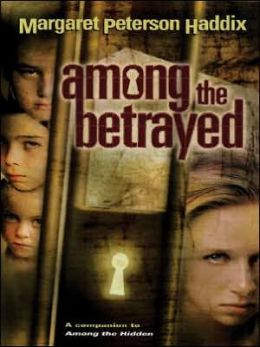
Margaret Peterson Haddix's Shadow Children series focuses on a future where parents can only have two kids. Doesn't sound so bad, does it? Not for the so-called titular characters, third-born boys and girls who have to hide from the Government. The Government deems that third-born children deprive the world of much-needed food, despite banning certain farming practices for no reason and will kill any "ex-nays" that they find. 

I do not deny that the books are well-written. Each book has a fast-paced story. No, my concern is deception, and how the supposed heroes use deception in one book, Among the Betrayed.

SPOILER WARNING: If you have not read the books, do not read more. This mainly concerns Among the Betrayed, The Hunger Games, V for Vendetta and Ender's Game. 


Image source: http://farm8.staticflickr.com/7168/6485398549_fdafa2c315.jpg

Dystopia novels need deception. Governments need to trick individuals into believing a particular mindset, like that choices are a bad idea or that books deserve bonfires, after all. Fighting for the truth becomes a difficult battle, especially if said governments use torture and brainwashing to smoke out potential rebellion. 

When heroes' allies use deception, to trick them however, the heroes usually get angry. No one likes a liar, let alone a liar who's supposed to be your friend. More importantly, no hero wants to become a pawn. By definition, heroes have to take charge of the plot and undergo a great change. In addition, they usually get tricked into doing horrible things, like murdering a horde of aliens, or made to suffer horrible things to undergo character development. This spoiler quote from Ender's Game sums it up best:

"I didn't want to kill them at all. I didn't want to kill anybody! I'm not a killer . . . you made me do it, you tricked me into it!" He was crying. He was out of control. 

"Of course we tricked you into it. That's the whole point," Graff said. "It had to be a trick, or you couldn't have done it." 

(Card 298)
  
Among the Betrayed has the most extreme form of child-friendly deception, to see if a thirteen-year old girl was willing to sell out illegal children to the government. Nina Idi committed no crime, but a would-be boyfriend betrayed her. She's given a plea deal in prison to gain other illegal children's trust to save her own life. Once she refuses to act on that deal, after 150 pages of not going one way or the other, the "hating" man who offers the plea deal reveals that she can live, that he's on her side.

Nina does not get angry when she learns about the test. She does not even suffer emotional trauma or trust issue afterwards. She thanks everyone involved, adult and child, for giving her a "second chance" after thinking her a traitor. She's able to forgive the "hating man" for putting her through months of fear just to see if she would sell out shadow children, and this is his defense when she asks why she should trust him:

"Nina, we live in complicated times . . . Don't you see how muddy everyone's intentions get, how people end up doing the wrong things for the right reasons, and the right things for the wrong reasons-and all any of us can do is try our hardest and have faith that somehow, someday, it will all work out?"
(Peterson Haddix 152)

Aside from the abstract terms used to describe the hating man's actions, he does not believe that what he did was wrong. He does say Nina did not deserve to get arrested, but he had made the call at the book's beginning. He uses the term "we" instead of "I" and feels entitled to engaging in deception to save hundreds of children's lives. He takes no responsibility for her suffering, only for her salvation. 

Television Tropes has a term for this issue: He Who Fights Monsters. As the page describes, "Something has happened to our Fallen Hero: his village was destroyed, his friends killed, his puppy roasted on an open spit, his bike stolen, whatever. All that matters is that It's Personal, and he feels that the law just isn't suitable enough (or has become too corrupt and ignorant) to be of any use to him in settling the matter. Oh, sure, he'll justify his actions by claiming that it's Justice he's after, not vengeance, but anyone with half a brain can easily see that he's out for revenge... unfortunately, we can also see that the more he hunts the cause of his woes, on the — something that our "hero" is too blinded by his single-minded goal to realize."

Heroes don't always make easy decisions. Sometimes they have to act like their worst foes, or their allies have to do the dirty work. But a good story explores how they come to those decisions, to emulate the monsters that they battle. 

Most dystopian works acknowledge moral ambiguity when heroes engage in deception. The Hunger Games calls out any rebel or rebel leader who will sacrifice children for a cause. V for Vendetta shows that the path to stripping someone of fear will have said person hating you for at least a few minutes, and revealing bitterness about the ordeal, even if they learn.  Ender's Game has Colonel Graff admitting that what he did to Ender, making him a war general at the age of twelve, borders on the unethical, even though his actions may have saved the human race and he doesn't even give Ender a therapist to cope with the trauma of having murdered millions. The reader can decide in these works if the heroes' allies did the right thing, if the hero can atone for these actions.

Among the Betrayed offers no such view into the truth. The test itself has cool, emotionless logic to it. That cool logic translates into fear, death threats, and low food supplies. Even if the participants had good intentions and meant no true harm, their actions made them verge on the line that separates them from the apparently useless and deadly Government. 

The hating man does not acknowledge that he interrogated a thirteen-year old girl and put her through rigorous motions to identify her as a criminal. He does not acknowledge that by imitating the government's popular methods of interrogation, as a double agent, that he became as bad as its worst Population Police. He merely uses the excuse above that one cannot really identify people's intentions in such a paranoid era, and Nina never brings up the issue again. What's more, all of the participants seem to agree with the hating man's methods, with only one asserting that Nina was trustworthy. 

The second issue that I have, in addition to the He Who Fights Monsters issue, is Nina's forgiveness and ability to move on. In the beginning she feels angry, betrayed and desperate to try anything to live. She's a thirteen-year old ingĂ©nue who loved the wrong boy. Throughout the story she bonds with the children she was supposed to betray, and could have ended her suffering at any point by revealing the plea deal offered. She does not express frustration over that latter point, instead accepting that she has grown into a person who can let go of hatred while doing the right thing. 

The lack of anger seems implausible. In fiction anger has its place as a form of release. In real life the emotion is destructive, poisoning. Writing about a child punching another is different from an actual blow being released. While no one physically injures Nina in the story or tortures her, they all treat her as an enemy in one chapter and then pick corn with her in the next. Her ability to still trust comes up, but some closure could have been welcome, an acknowledgement that putting a girl through emotional stress.

Once again, Among the Betrayed is not a terrible book. It's in fact well-written, fast-paced and a thrill to read at night. I admire Margaret Peterson Haddix's ability to tell a terrible story about kids dying for an arbitrary government. What irks me is the lack of anger, of righteous fury that should spur the characters forward. Perhaps if the book had received several extra chapters, I would have been able to chart Nina's growth better and to receive more closure. 

The lesson from this: allow your characters to get angry, even if it obstructs your story's point. Especially in a tale with deception, remember this phrase:

"Fool me once, shame on you. Fool me twice, shame on me."


Image source: http://farm3.staticflickr.com/2559/4199675334_66c3e3d61d.jpg

Do not fool the reader. Show your characters, old and young, as human beings. Allow them to express righteous indignation. Let them call out the heroes for not acting heroic.


Wednesday, May 30, 2012

Remembering to Be a Kid Again

The Lion King is playing in Miami.; we went to see the show on Sunday, 1 PM "matinee" as my mother and older brother insisted that they were called. We crammed into our black Lexus, bickered as my mother shouted at my older brother to mind the stop lights and speed limits, and arrived ten minutes before the show started. I blew-dry my hair, an unusual occurrence, and tamed it with curlers. This experiment allowed me to wear my hair down for a couple of hours, before it puffed into fuzzy strands of Indian frizz. 


Our family does not normally arrive to events on time, so we prepared. An hour before our planned departure, my mother bade me to chop the lunch vegetables and cook while I showered and the boys (older and younger brother) went biking. The shower took longer than usual due to excessive hair scrubbing, blow-drying and make-up. Hair curlers have a life of their own if you don't pin them in properly; also, do not attempt to wrap them in towels because they prefer to breathe if they have to be wrapped in locks. 

Although the musical was fantastic, such events are only wonderful when you have people to share them with. My mother had instructed me to educate my younger brother about The Lion King for a week, watching the DVD every day with him. This wasn't a bad education, but I was crammed full of Lion King information that my younger brother did not appreciate. He preferred to lie back on the couch, let his eyes waver and close, and listen to Elton John's fantastic songwriting. I needed someone else as a student.

Next to me was a mother and her young daughter. The mother and I talked about The Lion King being Disney's best movie, a result of a two-year journey to Africa and Disney executives coming up with a great idea for a film project. Then the lights dimmed and Rafiki sang "THERE COMES A LION," starting the show. No one can resist singing along to Act One, where the beloved Disney songs come to life. We also can't resist screaming at Simba to run when the wildebeests threaten to trample him, nor gasping when he dangles from a tree branch at a precarious height; I was terrified that the safety wire would snap at any moment.


The young daughter, who later emphasized that her name was "Genevieve!" kept confusing Mufasa with Scar and didn't know what the hyenas were, so I whispered answers in the dark. After intermission she offered me an Oreo, which I refused politely, and kept asking me what happened next. It was a good crash course in brief communication, such as saying "Fight" when the hyenas and lions battled for Pride Rock. Having listened to the musical soundtrack and seen the movie five times in a row that week, I happily complied even though my family would tease about it in the car. Genevieve was full of life, excitement, and curiosity; she reminded me of what I once was before legal adulthood and adult responsibilities set in. 

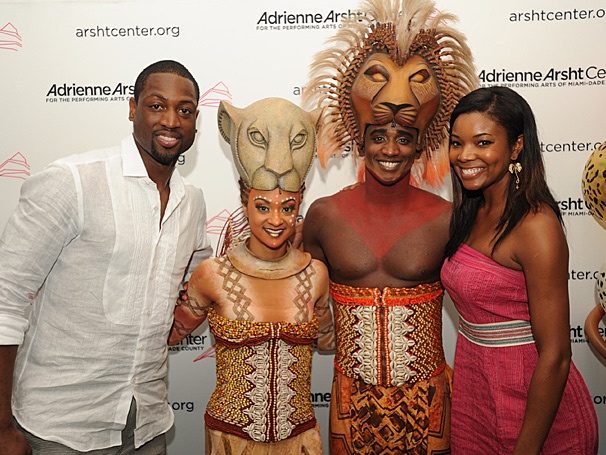
When you watch a musical like The Lion King, you need a kid to share it with, a kid who has no idea what's going on but wants to jump in and sing "I Can't Wait to Be King" with the cast. You need someone who believes that they control their destiny, that the story they see on stage can happen in real life, and that they will remember who they are. Dwayne Wade had his five-year old son and his son's thirty best friends to entertain that same Sunday (go Heat, we are in FINALS). 


I know I'll never see Genevieve again, but she reminds me of the kids out there who want to grab a story in their hands and devour it without the need of dessert forks. She's motivated me to learn how to write for those children, to remember the faith that kids can succeed even when adults hinder or protect them. When my younger brother matures, I hope he can keep reminding me.

Citations
Dwayne Wade and Gabrielle Union with Lion King cast. Digital image. Miami Broadway.com. Web. 30 May 2012. .

Lion King Photo 2. Digital image. Adrienne Arsht Center. Web. 30 May 2012. .

Rafiki singing for the lion king. Digital image. Adrienne Arsht Center. Web. 30 May 2012. .