Sunday, September 15, 2013

Secrets and Storytelling

Thanks to StoryDam for suggesting this prompt!
I was a lousy secret-keeper as a child. One, because public television taught me that lying was bad and that keeping secrets often made people feel hurt. Two because I was a terrible liar. So unfortunately, I have no memory of what my first secret was, the one that I was actually able to keep into my adulthood.


Image source: http://farm8.staticflickr.com/7068/7101337175_3d0f1f6a22.jpg

That said, while I couldn't keep secrets, others were good at keeping secrets from ME. For example, when my dad was sick from cancer, no one mentioned the C-word in my presence. They merely told me that he had stomach pains, and he said that he would get better in September. 

In August of that year, my dad died from non-Hodgkin's lymphoma. I only learned later that he had received cancer, and that my family had not disclosed that information to protect ten-year old me. No one could have anticipated the anger I felt that year in addition to grief, at the feeling of having been deceived.
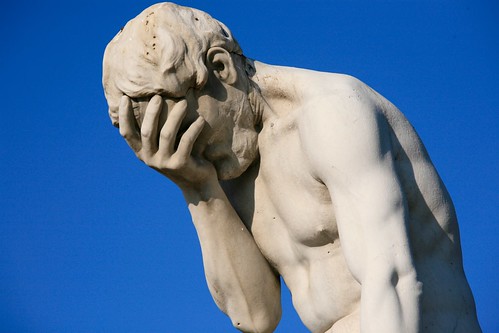
Image source: http://farm8.staticflickr.com/7285/8739307295_caa69029a5.jpg

A word to parents out there: don't be afraid to talk about cancer with your little ones if they're old enough to understand. Ten-year olds are old enough, and they'd rather know when to say goodbye than to have their dads drop dead suddenly. 

I only learned to keep secrets in college, which I attended eight years after my dad died. They're rather like holding in little buzzing stones that vibrate when you hide them. But they can stay unsaid, buried for long periods of time. 

How can a writer use secrets, especially if a writer has had experience of being a bad liar? Quite simply, to build and destroy relationships between characters. When I think of the year my dad died, I think of a book we read called The Giver. The Giver features a world where people don't lie, everyone has their place, and war has ended. At least, people don't lie in theory; the protagonist Jonas receives permission to lie when he is apprenticed to the titular character. 

Secrets destroy Jonas's relationship with his friends and family, though not for lack of trying. He has to remember events from the past that his best friends cannot comprehend, such as war and colors, and explain why they become meaningful in a gray world with dull-colored grass. He cannot convince his little sister that elephants were larger creatures than her stuffed toy, or ask his parents if they love him. His training isolates him, as he has to keep these secrets from people who cannot understand. Jonas finally gives up when he finds out what his father as a caregiver does to unfortunate babies.

Jonas has learned to feel anger and grief in a world without true feelings, and Lois Lowry only reveals his father's and the society's secret when Jonas can weep, rage, and condemn. He soon has to keep secrets of his own to change society for the better, and to rescue his baby brother. Although he grows as a person, his decision to change means sacrificing his old life and hurting everyone around him.

Honesty is dangerous in real life. When we tell the truth, others take advantage of us, or mock us into keeping our desires secret. In books, however, honesty and secrets have the potential to battle out and build a stronger character, one who will make sacrifices and know when to lie or withhold information. That is how we can use sealed lips when crafting stories.

Saturday, August 31, 2013

Deceitful Dystopias: The Lack of Anger in Among the Betrayed

Image source:  http://farm9.staticflickr.com/8299/7866771910_c694e6cabb.jpg

Sometimes a book gets under your skin. The words make you angry so that you want to hurl the hardcover across the wall. Or quickly delete your library loan from the Kindle and pray that you never read another word of it again. Even worse, when you vent your anger, you find yourself losing friends because of your opinion, and at the best they gently chide you for misreading the book and trying to look at the big picture.

That happened to me three times this summer, with three different books. I am only going to talk about the last book, because it was the only one that inspired organized anger. The Gospel According to Christ triggered a more visceral reaction, one that does not translate into coherent words, and I simply do not get the appeal behind Game of Thrones and the complex world it presents, at least not enough for a blog post. Also, I don't want to get sucked into having to look at it as part of an encompassing story, because then I will get no writing done.


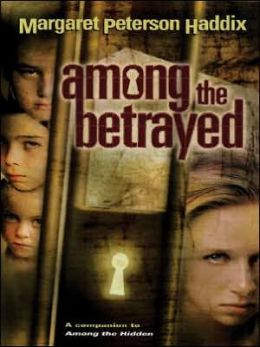
Image source: http://img2.imagesbn.com/p/9780786282791_p0_v1_s260x420.jpg

Margaret Peterson Haddix's Shadow Children series focuses on a future where parents can only have two kids. Doesn't sound so bad, does it? Not for the so-called titular characters, third-born boys and girls who have to hide from the Government. The Government deems that third-born children deprive the world of much-needed food, despite banning certain farming practices for no reason and will kill any "ex-nays" that they find. 

I do not deny that the books are well-written. Each book has a fast-paced story. No, my concern is deception, and how the supposed heroes use deception in one book, Among the Betrayed.

SPOILER WARNING: If you have not read the books, do not read more. This mainly concerns Among the Betrayed, The Hunger Games, V for Vendetta and Ender's Game. 


Image source: http://farm8.staticflickr.com/7168/6485398549_fdafa2c315.jpg

Dystopia novels need deception. Governments need to trick individuals into believing a particular mindset, like that choices are a bad idea or that books deserve bonfires, after all. Fighting for the truth becomes a difficult battle, especially if said governments use torture and brainwashing to smoke out potential rebellion. 

When heroes' allies use deception, to trick them however, the heroes usually get angry. No one likes a liar, let alone a liar who's supposed to be your friend. More importantly, no hero wants to become a pawn. By definition, heroes have to take charge of the plot and undergo a great change. In addition, they usually get tricked into doing horrible things, like murdering a horde of aliens, or made to suffer horrible things to undergo character development. This spoiler quote from Ender's Game sums it up best:

"I didn't want to kill them at all. I didn't want to kill anybody! I'm not a killer . . . you made me do it, you tricked me into it!" He was crying. He was out of control. 

"Of course we tricked you into it. That's the whole point," Graff said. "It had to be a trick, or you couldn't have done it." 

(Card 298)
  
Among the Betrayed has the most extreme form of child-friendly deception, to see if a thirteen-year old girl was willing to sell out illegal children to the government. Nina Idi committed no crime, but a would-be boyfriend betrayed her. She's given a plea deal in prison to gain other illegal children's trust to save her own life. Once she refuses to act on that deal, after 150 pages of not going one way or the other, the "hating" man who offers the plea deal reveals that she can live, that he's on her side.

Nina does not get angry when she learns about the test. She does not even suffer emotional trauma or trust issue afterwards. She thanks everyone involved, adult and child, for giving her a "second chance" after thinking her a traitor. She's able to forgive the "hating man" for putting her through months of fear just to see if she would sell out shadow children, and this is his defense when she asks why she should trust him:

"Nina, we live in complicated times . . . Don't you see how muddy everyone's intentions get, how people end up doing the wrong things for the right reasons, and the right things for the wrong reasons-and all any of us can do is try our hardest and have faith that somehow, someday, it will all work out?"
(Peterson Haddix 152)

Aside from the abstract terms used to describe the hating man's actions, he does not believe that what he did was wrong. He does say Nina did not deserve to get arrested, but he had made the call at the book's beginning. He uses the term "we" instead of "I" and feels entitled to engaging in deception to save hundreds of children's lives. He takes no responsibility for her suffering, only for her salvation. 

Television Tropes has a term for this issue: He Who Fights Monsters. As the page describes, "Something has happened to our Fallen Hero: his village was destroyed, his friends killed, his puppy roasted on an open spit, his bike stolen, whatever. All that matters is that It's Personal, and he feels that the law just isn't suitable enough (or has become too corrupt and ignorant) to be of any use to him in settling the matter. Oh, sure, he'll justify his actions by claiming that it's Justice he's after, not vengeance, but anyone with half a brain can easily see that he's out for revenge... unfortunately, we can also see that the more he hunts the cause of his woes, on the — something that our "hero" is too blinded by his single-minded goal to realize."

Heroes don't always make easy decisions. Sometimes they have to act like their worst foes, or their allies have to do the dirty work. But a good story explores how they come to those decisions, to emulate the monsters that they battle. 

Most dystopian works acknowledge moral ambiguity when heroes engage in deception. The Hunger Games calls out any rebel or rebel leader who will sacrifice children for a cause. V for Vendetta shows that the path to stripping someone of fear will have said person hating you for at least a few minutes, and revealing bitterness about the ordeal, even if they learn.  Ender's Game has Colonel Graff admitting that what he did to Ender, making him a war general at the age of twelve, borders on the unethical, even though his actions may have saved the human race and he doesn't even give Ender a therapist to cope with the trauma of having murdered millions. The reader can decide in these works if the heroes' allies did the right thing, if the hero can atone for these actions.

Among the Betrayed offers no such view into the truth. The test itself has cool, emotionless logic to it. That cool logic translates into fear, death threats, and low food supplies. Even if the participants had good intentions and meant no true harm, their actions made them verge on the line that separates them from the apparently useless and deadly Government. 

The hating man does not acknowledge that he interrogated a thirteen-year old girl and put her through rigorous motions to identify her as a criminal. He does not acknowledge that by imitating the government's popular methods of interrogation, as a double agent, that he became as bad as its worst Population Police. He merely uses the excuse above that one cannot really identify people's intentions in such a paranoid era, and Nina never brings up the issue again. What's more, all of the participants seem to agree with the hating man's methods, with only one asserting that Nina was trustworthy. 

The second issue that I have, in addition to the He Who Fights Monsters issue, is Nina's forgiveness and ability to move on. In the beginning she feels angry, betrayed and desperate to try anything to live. She's a thirteen-year old ingĂ©nue who loved the wrong boy. Throughout the story she bonds with the children she was supposed to betray, and could have ended her suffering at any point by revealing the plea deal offered. She does not express frustration over that latter point, instead accepting that she has grown into a person who can let go of hatred while doing the right thing. 

The lack of anger seems implausible. In fiction anger has its place as a form of release. In real life the emotion is destructive, poisoning. Writing about a child punching another is different from an actual blow being released. While no one physically injures Nina in the story or tortures her, they all treat her as an enemy in one chapter and then pick corn with her in the next. Her ability to still trust comes up, but some closure could have been welcome, an acknowledgement that putting a girl through emotional stress.

Once again, Among the Betrayed is not a terrible book. It's in fact well-written, fast-paced and a thrill to read at night. I admire Margaret Peterson Haddix's ability to tell a terrible story about kids dying for an arbitrary government. What irks me is the lack of anger, of righteous fury that should spur the characters forward. Perhaps if the book had received several extra chapters, I would have been able to chart Nina's growth better and to receive more closure. 

The lesson from this: allow your characters to get angry, even if it obstructs your story's point. Especially in a tale with deception, remember this phrase:

"Fool me once, shame on you. Fool me twice, shame on me."


Image source: http://farm3.staticflickr.com/2559/4199675334_66c3e3d61d.jpg

Do not fool the reader. Show your characters, old and young, as human beings. Allow them to express righteous indignation. Let them call out the heroes for not acting heroic.


Monday, August 12, 2013

The Amateur Detective List


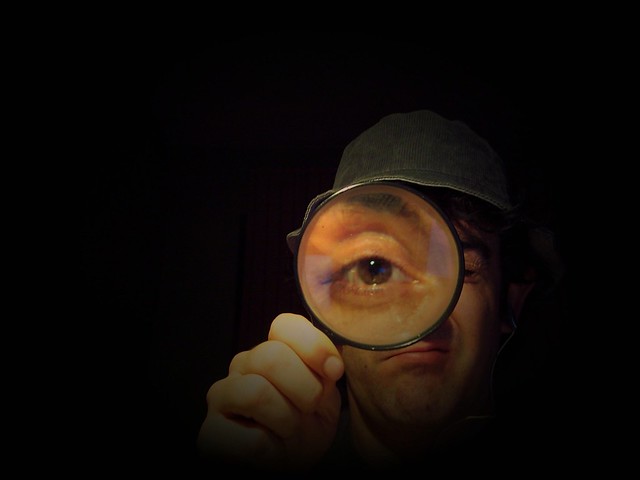
Image source: http://farm4.staticflickr.com/3295/3145066465_d8abbcbacb_z.jpg


In honor of Storydam's blog post on writing list posts, and to commemorate the next Heather Wells mystery coming out in September, I'm writing a list on what to do if you plan to become the next Sherlock Holmes or Miss Marple. The Evil Overlord List inspired this, as well as notes on how Nancy Drew always got in over her head. 


Note: this list does not apply to fictional detectives. Also, do read the Evil Overlord List so you get an idea of what to expect. 


1. I will always carry a Taser, cellphone with police on speed dial, Swiss Army knife, and mace when investigating dangerous suspects. 


2. I will take a course in lockpicking and untying knots and stay updated on the newest bolts.


3. I will exercise ever day and study a form of martial arts. Reduces the stress associated with detective work and keeps me safe in case of emergency.


3a. Martial arts will not protect against guns one hundred percent of the time. 

4. Policemen are my friends, except when they are corrupt. I will not antagonizea policeman.

4a. If a policeman is corrupt, inept, or unable to ask the right questions, I will not insult their intelligence or willingness to take bribes. Instead, I will search for a reliable cop or detective on the police payroll and seek his or her assistance.

5.  When interrogating a suspect, I will not accuse him of murder, burglary, or the crime for which I suspect them. Not only do I lack the law degree and lawyer's stamina to do so, if the person is a suspect then he will probably threaten me or my loved ones.

6. I will take acting classes at my local community college in case the situation arises to go undercover or snoop into a forbidden territory. If I am an overweight resident hall assistant, I will know how to fake being a drunk sorority freshman.

7. I am not above using legal firearms. The key word is LEGAL. Guns kill, but legal adults can apply for a license and shooting lessons. I will teach myself how to aim or how to disarm my opponent.

8. Detectives don't let friends become damsels or dudes in distress. Only take a friend along who is versed in martial arts or LEGAL firearms. 

9. Drugs are dangerous. Drug dealers and drug lords are dangerous no matter what their age. I will treat them the way you would treat a rabid raccoon. I will not confront them head on unless a loved one is in danger.

10. If I suspect someone of being a stalker, or stalking a suspect, I will not underestimate them like Heather Wells did.

11. I will not take bribes, or weaken in the face of temptation.

12. I will always trust my instincts.

12a. I will only voice my instincts with evidence.

13. Sometimes there is no evidence. I will keep looking until there is.

14. I will act within the law to the best of my abilities.

15. If I love being a detective, I will temp for a real private investigator and learn the ropes of the business. And I will not ask questions, only learn from the best. 

16. I will not appear like an idiot or the detective who cried wolf.

17. I will always fight for justice. Even if it means putting away a good friend for a crime he has committed. Even if it means turning away a good job offer.

18. Once more, I will trust my instincts. 

18a. No matter what.


Friday, August 9, 2013

The Dry-Eyed Stoic: How We Lose Sympathy With Crying Heroes


In fiction, characters suffer. They have to suffer, or we wouldn't read their stories. They face inner demons, terrifying minotaurs and personal losses. Heroes have to make hard choices, sometimes choosing the lesser of two evils or working with an antagonist they'd rather throw off the cliff.

Sometimes the suffering becomes too much. The hero just wants a tub of ice-cream, five hours in front of the TV, and sobbing time. Lots of sobbing time, with someone offering shoulder pats or even a hug at awkward moments.

"Big whoop," we say and wrinkle our noses. "Go back and fight that monster. Finish the mission." 

Readers view crying as a weakness, in classic literature, or as a sign of breaking down and giving up. This dates back to Homer's Odyssey, in which the title character's son, Prince Telekamhos, loses a crowd's sympathy when he expresses his grief and rage about suitors invading his home:

"He spoke in anger, bursting into tears,
As he threw his scepter onto the ground.
The crowd was motionless with pity"
(The Odyssey, Book 2, 87-90)

Image Source: http://farm7.staticflickr.com/6123/6018920992_08f3cbaa39.jpg


"Pity" is the key word here; Telemakhos at the age of twenty can technically become king, but he has to prove himself as a leader. By displaying unbridled emotion, he shows immaturity that the crowd cannot support, and the suitors take the time to defend themselves. Only his father Odysseus, who rarely breaks down during the story and is a mean warrior, can return and use excessive violence on the suitors. By "excessive," I mean slaughtering each and every last one for attempting to hit on his wife, threaten his son and heir, and usurp the throne of Ithaca.

Still, we seem to have a prejudice against heroes showing weakness even when they have legitimate reasons for doing so, or when they go through so much suffering. People did not like the fifth Harry Potter book, for example, because they found Harry moody and angry at everyone. They forget that only a few months before Harry saw Voldemort murder a decent Hogwarts kid because said kid was in the way, got cut up for blood, had to fight a man a hundred years older than him, and saw his parents return as echoing ghosts to protect him from the Dark Lord. And then, after returning to Hogwarts, where he's supposed to be safe, a teacher he trusts betrays him and reveals how deep the plot went; then the Prime Minister of Magic refuses to believe the threat, despite the fact that Harry's traumatized.

Not enough? Consider the early Disney heroines. Most of them are criticized for not being strong women, which they aren't, I admit, or being flat characters. The male protagonists, excluding Dumbo, Pinocchio and Simba, rarely shed a tear, because they are usually grown men. But we have to examine the context as well:

Edit: most of the Disney images came from Fanpop, and thus were not reproduced. I have instead linked to them in their paragraphs to give proper credit and so that you can see them.

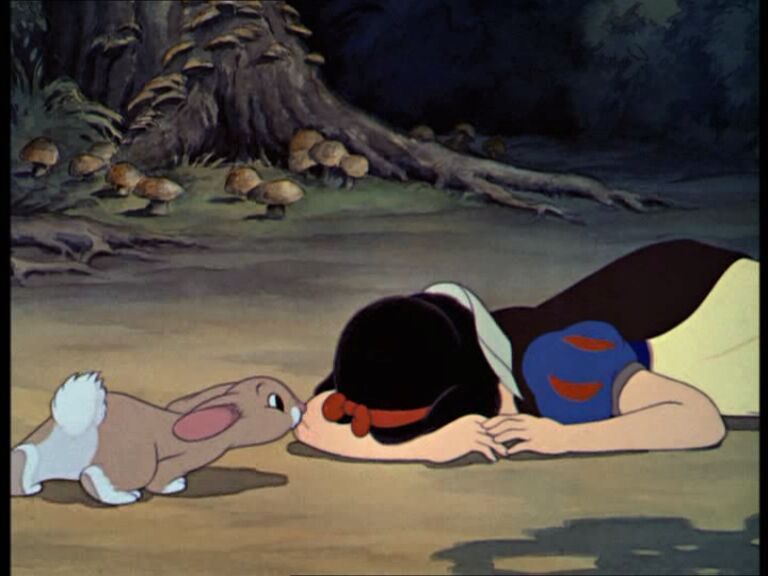
Snow White is thirteen years old and a servant in her own household. She doesn't even feel dressed enough to welcome her dream prince, because of her rags and shyness. Let's see, stepmother tries to kill her with an assassin, she's lost in the woods and frightened after said assassin spares her life, and she no longer has a home or a friend. Cue the rabbits, deer and birds!


Image Source: http://lh3.ggpht.com/-z4akn5D_1Ac/UccpOxesAmI/AAAAAAABDu8/-3XrfOPqN7Q/cinderella-crying_thumb3.gif?imgmax=800

Cinderella puts up with a lot and still finds joy in her life. She's a servant and the younger of three stepsisters, based on what her stepmother says, and all she wants is one night out, to be like other girls and to get a chance to dress up. Her stepmother weighs the odds against her with lots of housework and no time to fix together her dress. Cinderella accepts that she can't go, then explodes in joy when seeing her mother's gown made over. Oh happy day, with pink and pigtails! Surely now she can have her night out and meet the prince!
Then   . . . her stepmother goads the other two sisters into tearing apart this treasured hand-me down, leaving Cinderella standing in a heap of ripped fabric. Any girl would burst into tears, even a cheerful one who's borne her siblings' tantrums and bad-tempered cat.

Image Source: http://images1.wikia.nocookie.net/__cb20120228010909/disney/images/thumb/e/ef/Alice_Crying_So_Hard.png/631px-Alice_Crying_So_Hard.png

Alice has an excuse: she's ten years old, and she cried in the original Alice's Adventures in Wonderland. She also breaks down later in the film when she cannot exit Wonderland and its irritating nonsense.

There is no screencap of Wendy from Peter Pan, because Wendy shed a single tear. A single tear. While walking the plank and thinking Peter was dead. This after getting kidnapped and having every female in Neverland trying to kill her or seduce Peter.

We have exceptions to context, however. Sleeping Beauty is the flattest character to come from Disney. I won't deny that. But she has probably heard the tale of the murderous spindle, and up to her sixteenth birthday she has lived a normal life as a peasant girl. Then she meets a guy, invites him to her house, and finds out she is a cursed princess, betrothed to a prince. Her crying is more "why can't I have what I want on my birthday?" then "oh my god, I am going to get killed by a pointy object and why couldn't we wait another day to return to the castle, so that destiny won't happen!"

In other words, Aurora never had control over her life, except for the sixteen years she had as a peasant girl. She was doomed the minute Maleficent arrived on the scene. So there's a legitimate reason to break down, right before the evil fairy pricks her finger with a spindle.

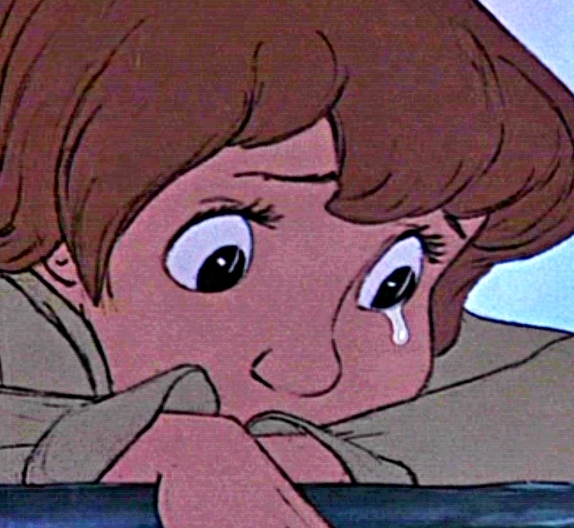
The Rescuers gave us Penny, another little girl in a bad situation. Orphaned, kidnapped and taken to the southeastern swamps where she has to risk her life to get a prized diamond. Running away has not worked, thanks to her kidnapper's prized alligators, but she still prays that someone will help her.


Image Source: http://s6.tinypic.com/iqa4d5.jpg

Ariel has several moments. She verges on tears when singing "Part of Your World" but only breaks down when Triton destroys her grotto, her sanctuary and Prince Eric statue which probably would have kept her in the ocean. We don't see her tears, interestingly enough, till Ursula hypnotizes Eric into forgetting about Ariel, and then we have a worthy cry-fest that only lasts until Scuttle conveys some important information.


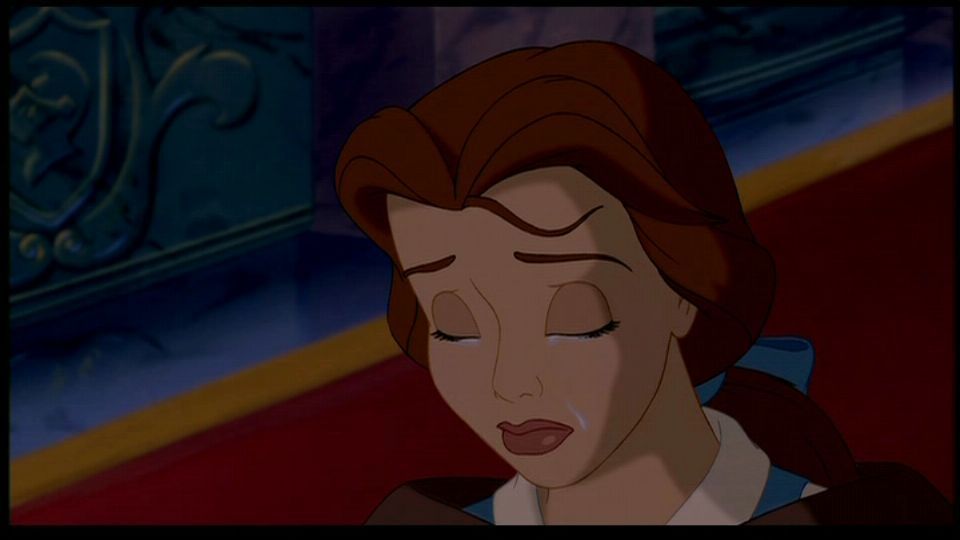
Belle just bargained with the Beast to stay in his castle forever in her father's place, and she wasn't even able to say goodbye. She has just lost her old life and has decided to stay with a furry, bad-tempered monster. Can anyone blame her for bringing on the waterworks?

Note that she and Ariel are the first princesses to shed actual tears on screen. Not the head tucked into shoulders position that hides the reddened face, although Belle does that later when she's alone in her room instead of out in public.


Jasmine tries to run away from the Palace, meets a helpful street rat and gets him arrested. For "kidnapping" her, when he saved her hand from a mean apple seller. Not only did a nice person die, as far as she knows, but he did it because she knew so little about the marketplace or hiding her identity. We  viewers know that Aladdin isn't dead, despite the Cave of Wonders, but Jasmine doesn't. And she doesn't find out till the very end of the movie, after a spectacular magic carpet ride.


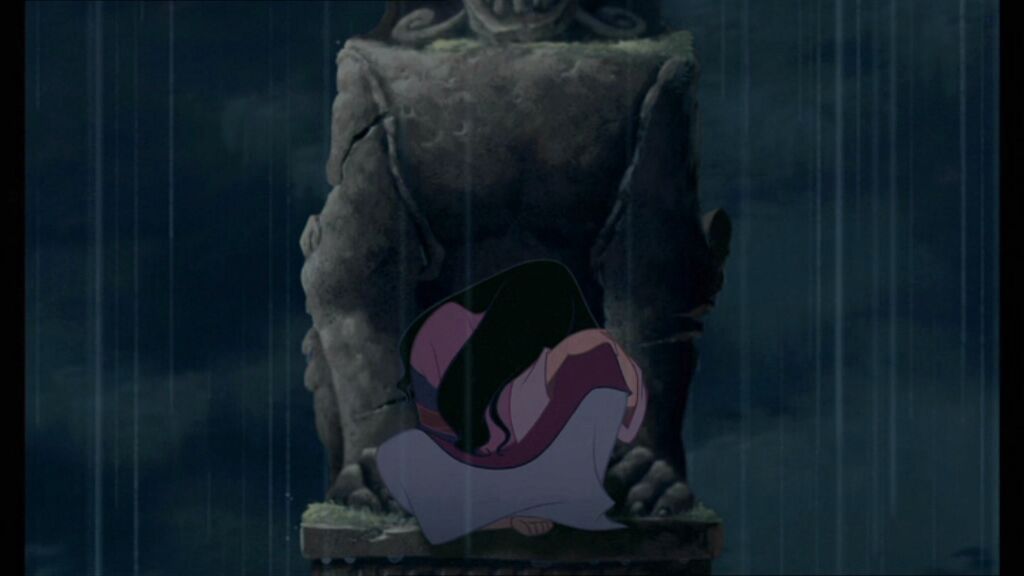
Mulan has just disgraced her family, twice. She cannot play the part of a Chinese maiden. Her father plans to battle despite being old and tells her she needs to find her place. After a few hours of sobbing in the rain, she makes up her mind to take his place. Then she sheds a few tears after the army finds out she's a woman, only putting them away when Mushu manages to comfort her, and when she realizes that China is still in danger.

We see a noted difference here. Instead of cute birds and sidekicks, or a fairy godmother coming to cheer the heroine up, she decides to take action. Actions that have serious consequences in terms of breaking the law and developing her character. When she gets caught, and don't chide me because she had to get caught, it's part of the narrative, she suffers further dishonor. Because Mulan doesn't give up, however, and strives to do what's right even if it's against the law-- saving China with a few fireworks and cross-dressing comrades-- she earns her father's respect, after expecting to come home and disappoint him.

As the years passed, Disney realized that a crying spell, however pertinent and realistic, would not win them brownie points. When they revived the Princess Genre, they made sure that tears were sparse.

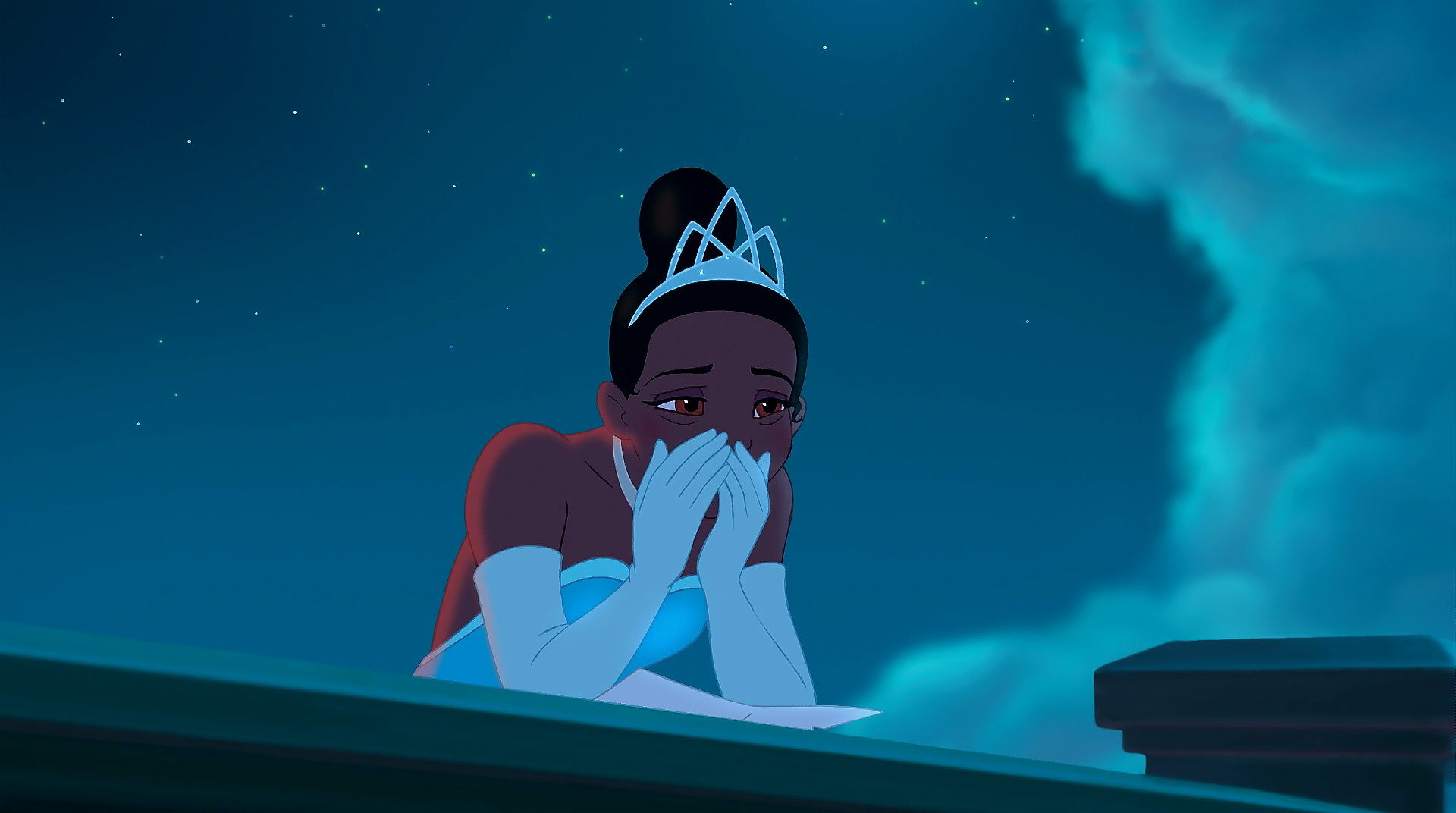
In Princess and the Frog, Tiana has quit her day job, in hopes of making a down payment on a building to own her restaurant and live her daddy's dream. But New Orleans racism and finances hit her hard, and she is rock bottom despite the gown. Yet, as we can see, no tears. Not a single one. The rest of the movie continues in that fashion, with Ti suffering further disappointments and reminded how her father never achieved his dream.

Image Source: http://i1222.photobucket.com/albums/dd499/kotharir/Crying/bth_tumblr_lri11cuxFO1qdlkgg.gif

Rapunzel, like Cinderella, puts up with a lot. She has an emotionally abusive mother who depends on her glowing hair, cannot step a foot outside her tower, and believes that she is frail. This despite her mean skills with a frying pan.
She only cries when her boyfriend dies, and she's unable to heal him, watching him stop breathing in her arms. They only include the tear because it was in the original fairy tale, and because said tear saves his life.
  Image Source: http://i1.wp.com/screencaps.us/201/2-brave/full/brave-disneyscreencaps.com-3315.jpg
Merida from Brave is the exception to this Disney trend, but she's a Pixar princess. Pixar plays with the "girl crumpled in a heap while sobbing her heart out" many times, including this nugget. Merida's mother, the Queen, has just burned her bow to a crisp and doesn't get that Merida played by the rules to win her own. hand. But does she whimper in her room for this? No, she gets on her horse and rides off, only stopping the sobbing when said horse throws her. The other two times that she tries involve no sidekicks comforting her; when locked in the tapestry room while her dad is hunting her bear mum, she decides to take action and attempt to mend the bond. The second time, the queen comforts her, and the tears become happy.  
Image source: http://farm9.staticflickr.com/8334/8428079798_8c78c3ba14_c.jpg

I'm not saying that Disney is heading in the wrong direction; it seems, however, that the company caters to the audience's taste of a strong, independent woman who keeps going even and refuses to cry at her lowest point. Because we hate the crying, it has to go.

I disagree with that fact. Heroes have to suffer to reach their goals. Sometimes they need that ice cream and give hours in front of the TV, because they get broken. They go through too much. They lose their prized possessions or loved ones in the heat of battle.

Allow our heroes to cry, please. Especially if they are girls. Let's have actual tears that spur the heroines to action, so that they don't need comfort or a plot device from a cute little critter, and so that they can keep the story moving.

Let's offer them Ben and Jerry's and reruns of I Love Lucy for a few hours. Then we can tell them to turn off the waterworks.
Saturday, June 29, 2013

Harry Potter in Hindsight: Dumbledore the Flawed Mentor

This post is for Matt Anderson, who wanted me to explore the relationship between Harry Potter and Albus Dumbledore.

On the surface, Dumbledore appears as the typical wise mentor and Harry as the typical hero orphan with a huge destiny. We've seen this dynamic in other works: The Hobbit, Lord of the Rings, Star Wars, and even The Odyssey. Yet in these cases the mentor works in the shadows and only exists to guide the hero.

Dumbledore does not have such a role. He takes a more active role in shaping Harry's life. I will argue that Dumbledore's tragic history influences his present decisions and ultimately defined his relationship with Harry in life.  

Dumbledore's Fatal Flaw

All heroes have flaws. Less often, mentors often wield them, because we see mentors as shining knights who can do no wrong. The flawed mentor proves more interesting because he or she has a personal journey in addition to the hero's, and the flaws often shape the hero's journey as well. Dumbledore had already taken his journey, and his wisdom helps Harry succeed in defeating Voldemort.

Dumbledore's flaw is blinding love. Not the selfless, affectionate love that Harry shares for his friends and adopted family, but a deceiving obsession that allowed others to influence Dumbledore. That capacity allowed him to settle down and take care of his sister Arianna after graduating from Hogwarts, but it also blinded him to Gellert Grindewald's ambitions to taking over Europe and enslaving Muggles. Arianna ended up paying the mortal price, while Dumbledore had to imprison his supernatural boyfriend, and Abeforth never trusted his older brother again.

Voldemort serves as Dumbledore's antithesis regarding the fatal flaw of love. Voldemort, conceived thanks to a love potion, cannot understand caring for another person despite having loyal followers. That lack of empathy also allows him to commit great evil acts, from killing his father's family to starting a reign of terror in Britain. Unlike our headmaster, whose love for Arianna and Abeforth pulled him back from the abyss, Voldemort has no restraining bolt. The Death Eaters that love him -- Bellatrix Lestrange-- tend to linger on the psychotic side. Thus when Voldemort takes the plunge in Book Seven, no one can save him, not even Harry at his most merciful. 


Raising a Hero

When you read Harry Potter and the Sorcerer's Stone initially, you think that the Dursleys are horrible people, and you are correct. Most readers are correct in that assumption. The Dursleys spoil their son Dudley rotten, don't speak to their Potter relatives who are in hiding from the most evil wizard of all times, and treat Harry like dirt. They make an effort to keep him miserable and don't appreciate that he saved Dudley's life in Book Five.

"Why does Harry have to stay with such horrible people?" we asked; J.K. Rowling explained why a year before Dumbledore did in Book Five, but we also assumed that she was following a tradition that fictional orphans had to have detestable relatives.

It wasn't until I reread the first book with my younger brother that I understood the Dursleys' perspective. My younger brother hates it when his daily routine is different, and I explained that the Dursleys were the same. For them, magic would disrupt their routine. As someone who likes routine, I suddenly realized what had happened in the first few chapters, and how manipulative Dumbledore was.

Dumbledore had forced his hand on a normal Muggle family to protect a child wizard for destiny's purposes. He used guilt and love to convince Aunt Petunia into taking in her orphaned nephew, first by informing her that her sister was dead-- and if you read the extra material on Pottermore you realize that Petunia hadn't spoken to her sister in years-- and that if she didn't take in her weird nephew that she'd be sentencing him to death in the event that Voldemort returned. She didn't have to take in Harry but she did, knowing the risks and her guilty conscience. And when Vernon tried to go back on the agreement, Dumbledore once again appealed to her guilt and manipulated her into letting Harry stay. 

Harry learned two things from staying with the Dursleys: blind love exists and adults can be enemies. He knows that his aunt and uncle are capable of compassion, but they direct it towards his cousin Dudley. Vernon and Petunia won't answer his questions and oppress any sign of magic that erupts from him. Muggle schoolteachers refuse to believe that Harry can excel, only blaming him for strange accidents. Thus Harry has learned to disregard authority rather than take it at face value, and he sees the dark side to unconditional love.

Harry's disregard for authority clashes with his respect for Dumbledore. In the first book, when Harry breaks school rules, he breaks them to prove himself and defend his pride. This happens when he rides a broomstick to challenge Malfoy, for example. Such minor misdemeanors foreshadow his and Ron's spectacular flying car entrance to Hogwarts in Book Two, where Dumbledore has to threaten them with expulsion if they break any more rules. Harry and Ron have to break the rules to uncover the Chamber of Secrets, and similar forays end up more rewarding than one may think. Dumbledore has to encourage similar disregard so that Harry can succeed, reaping the fruit of his actions.

 Dumbledore's flaw, while a fatal flaw, allows Harry to have a normal Hogwarts life for five years. Already an orphan with miserable relatives and volatile popularity, Harry has plenty on his plate. At school he dislikes being famous or feared, depending on the book, and at home the Dursleys make him as miserable as humanly possible. If Harry had had to worry about Voldemort returning and their eventual conflict, then the knowledge would have cast a darker shadow on him. As it were, Harry was able to enjoy Quidditch, excel in his Defense Against the Dark Arts classes, and bond with friends like Ron, Hermione and Hagrid. Dumbledore's love thus proved beneficial in providing Harry with a life at Hogwarts that he couldn't have enjoyed with his aunt and uncle. 

Once Harry has grown older, however, Dumbledore's concern for his happiness causes a communication gap. First, he keeps Harry confined to the Dursleys over the summer with no news and no warning of changes in the Ministry. Harry, traumatized by Lord Voldemort's return and Cedric Diggory's death, would have preferred avoiding the confinement. Second, when our beloved headmaster discovers the mind link that Harry shares with Voldemort, he attempts to distance himself from Harry so that the Dark Lord won't use the boy's mind against him. This went horribly wrong, with Snape as Harry's Occlumency teacher and Harry not learning how to block his mind from the Dark Lord's visions. Sirius Black ended up dead because of these mistakes, and Harry suffers intense guilt and distrust for Professor Snape. Dumbledore has to put aside his compassion to see that Harry needs to grow up and face his destiny. 


The Flaw and the Hero

Telling Harry about the prophecy cements our favorite hero as a budding adult. Seeing that Harry can handle the Dark Lord returning once a year, at least until book three broke the pattern, Dumbledore feels he should have explained to Harry why Voldemort wanted the Potters dead, why Harry was so important first as a baby and then as a child, and his worries about Voldemort invading Harry's mind. Once he explains the prophecy however, Harry proves that he will do anything to defeat the Dark Lord, even give up his Hogwarts life. He spends half his last year at Hogwarts preparing for the battle and decides that the world is more important than his education.

Dumbledore treats Harry like an adult to prepare him for the final fight. I am referring to the sixth book as the last time Harry and Dumbledore meet face to face and not the seventh book where Harry seems to encounter his ghost. We learn later that Dumbledore has only a year left, asked Snape to kill him, and has a guess about how Harry can eliminate the last Horcrux. He works with borrowed time and a Dark Lord whose power is growing stronger. Here is what the reader sees in Book Six, however: Harry and Dumbledore meet to discuss Voldemort's past, what influenced him as a child, and how he had discovered temporary immortality, and their final encounter occurs when they enter the cave with the locket. These facts allow Harry to form a battle plan to destroy the Horcruxes and means by which to track them down, although the facts end up being incomplete. There is no comfort, no explanation for the year's near-murderous happenings; Harry only finds out the latter by eavesdropping on Malfoy, whom Dumbledore treats like a student. Instead, Harry gets comfort from knowing he can choose his path, and he chooses to defeat Voldemort with the knowledge he has gained.

Dumbledore's final manipulation severs his potentially fatal and platonic love for Harry. I am referring to Harry letting Voldemort kill him. Most of us readers anticipated Harry sacrificing himself; he has established himself as that kind of hero. What we did not anticipate was Dumbledore preparing Harry for "slaughter" as Snape puts it, playing on Harry's need to save others and capacity for selfless love. Harry by accepting this fate also submits to a higher authority-- Snape's and Dumbledore's -- showing respect for their plan. We thus realized that Dumbledore was manipulative, that Snape would have to tell Harry about this fact at a certain time -- when Voldemort fears for Nagini-- and during Hogwarts's darkest hour. He gambles on the fact that Voldemort taking Harry's blood will enable our hero to survive the Killing Curse, a gamble that could have cost Harry's allies the war. Yet his gamble pays off, and Harry wins the war. Dumbledore thus overcame his flaw of blind love so that Harry could make such a sacrifice.

Conclusion

Dumbledore's relationship with Harry is not complicated on the surface. He tries to help an orphan with sudden fame and encounters with psychotic wizards, offering wisdom about life, death, and the choices that we make. Harry learns from the headmaster, and the teachings pay off in the final battle and life subsequently thereafter. Harry does not fear death, and he knows how important choices decide his fate.

Beneath every teaching, however, is the fear of both characters' fatal flaws: blind love and disrespect for authority respectively. Sometimes the flaws cause huge consequences, whether they involve characters dying or severe breaches of trust. But when two characters work to overcome those flaws for the greater good, as Dumbledore and Harry did, then their hard work ends up building potential for a better world. With Harry earning his happy ending and Dumbledore inner peace, they have built ample potential. 

Monday, June 10, 2013

One Mojito Later

On Sunday July 8, 2012, I turned 21. One friend suggested that I get drunk on my birthday, promising that I wouldn't lose control. I politely declined and instead had my first legal drink at a fancy restaurant on a family outing. It was a mojito, a lime and rum concoction with lots of sugar and a straw. I stopped after finishing half the drink. There was a dizzy sensation, as if I were about to fall asleep. 

Stop drinking, my body told me, and I did.

That was a year ago. Since then, I've had that same drink at that same restaurant and remained fine, able to down it with pleasure. Most evenings I share a small glass of wine with my mom, and on the vacation that I blogged about before, I got to try my sister's recommendations.

I have a huge fear of losing control, of getting drunk. This fear dates back to several things: high school lectures, Stephen King, Isaac Asimov and Gone With the Wind. Although these sources vary, they all produced an acute fear of drinking too much. The ironic thing is that few people in my family drink, and everyone is health conscious. I'm also a hypochondriac, another point of irony.

High school and middle school lectures about alcohol often feature printouts of MRI scans-- pictures of the brain. As you can imagine, the teacher or speaker would emphasize how alcohol when the liver can no longer process it poisons the brain. He then talked about kids who would die from too many shots of alcohol and how they became brain damaged. Extremely cheerful, and biology presentations would reinforce the negative results.

But that was nothing compared to what we learned freshman year, during a school assembly before prom. I came home shaking that day and lashed out at my family. This was when my oldest sister lived at home, so she was able to calm me down.

When you're fourteen, knowledge impresses you. Hurricanes that knock out power for a week impress you. Our class had just been watching the first hour of Hotel Rwanda, about the 1993 genocide. As you could imagine, we were pretty traumatized by seeing systematic violence and the world doing nothing to stop the violence. Then school assembly started.

Apparently, people get drunk on prom night, the presentation told us. People then drive while drunk on prom night. Then they get terribly burned and have to live the rest of their lives as pale, nose-less examples of why not to lose control. The presentation included photos of the burn victims in question. I freaked, and remained in shock for the rest of the day, making two vows: to not attend prom and to never drink and drive. I never wanted my photo to be part of a cautionary Powerpoint.

These teachings stayed with me for the years, and I never questioned the certainty that getting drunk meant that your voice would slur and that you'd become a blabbering idiot. Warning signs at college dormitories assured me that the police would bust you for fake IDS and place the cuffs on you. 21 shots on your 21st birthday would kill you. I didn't feel it was worth the risk to kill brain cells or get arrested before graduation, and enough nonsense falls out of my mouth without alcohol's help.

Only recently have I learned that there is no standard on drunkenness. When I came close to getting drunk on the cruise, for example, all that happened was a strong urge to fall asleep in the bar chair. My sister admonished me for drinking a strong mojito much more quickly than she drank her prosecco, for underestimating its potency. That's all that happened; my voice remained articulate, and I was able to walk back to our room. The buzz soon wore off.

Adults lie. Teachers exaggerate. Prom committees add cautionary drama. The danger is still there, but I'm not someone who will get crazy drunk. It's been wired in me for that not to happen, thanks to strong biology courses and graphic Powerpoint presentations. I'll never go the way of Tony Stark or Ernest Hemmingway, but I will learn to enjoy that buzz.

The most ironic thing? I haven't drunk alcohol in a week. Writing this stone-cold sober. 

Friday, May 31, 2013

Writing is a Solitary Business


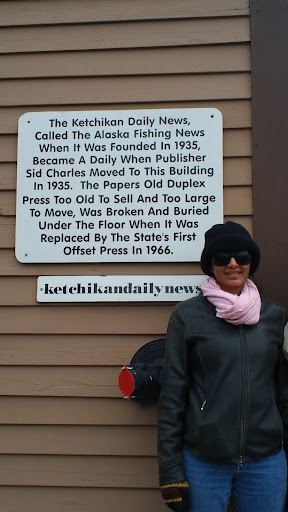
Last week my family went on vacation to Alaska. We were on a cruise with no Internet access or computer-- at least, I was. My older brother and sister had their smartphones and my older brother packed his laptop. I had a digital camera several notebooks, an unfinished novel that has been in progress for four years. All of the photos posted with this entry were taken by me, courtesy of the camera

Make no mistake, I did do writing. A train that traveled through Yukon territory inspired a short story for a friend's birthday, and most days I chronicled our adventures and misadventures. A few pages of my notebook are filled with potential tweets and Facebook posts, which I've taken time to update on the Internet. 


Writing as an activity is an oxymoron; we have to write when we're alone but the best fiction and nonfiction come from real life activities and oddities. The first three days of the cruise, I did my best to participate in family activities, write down the interesting bits in my journal, which are now in front of me. Some bits I'll remember without fail, like taking photos with a costumed lumberjack who resembled a smiling ax-murderer; others may take a few moments of recollection, especially if I don't remember taking photos. 

Towards the end, however, ironically when I started writing less than a thousand words a day thanks to rereading favorite stories on the Kindle, I started to take more time to simply write and ducked out of several together activities. That's because I realized why family vacations are not conductive to writing; they deprive a writer of two things:

1) Time- A writer needs time to think about how to put the words down, to allow herself to cross out the wrong phrases and to give herself a break when said words won't come. Some writers like Isaac Asimov worked on multiple projects without fail, able to churn out five to ten thousand words a day. Having not reached that point, I feel guilty when the thoughts refuse to come together and listening to music does not help. 

Living and doing family-related activities also requires time, however, and good works tend to last longer than people, who spend their time on Earth for only a short while. When I went on ship-related vacations with my family as a child, I was too terrified of drowning on the open sea to enjoy the entertainment and togetherness, no thanks to seeing Titanic at eight years old and Aladdin as a toddler. Especially since my two older sisters have moved out and my dad has died, our family has not celebrated that togetherness for a while, too long a while. 

Also, this wasn't a typical vacation, where we'd load up in the car and drive off to a beach or theme park for the weekend. We were in Alaska, a frigid and fertile environment that will soon lose all its snow glory to global warming! Even a day at sea in Glacier Bay was a treat because we saw floating icebergs that trembled in our wake and got to lie down in the cold sun while lucky cruise members glimpsed brown bears and mountain goats. Titanic's sinking would totally have not happened on the West Coast. 


I don't regret spending time photographing statues of fiddlers or window-shopping for gold flecked earrings in the window because I can come home and write about them. Which brings me to the next aspect that I missed:

2) Solitude-  When I started writing as a child, the first thing that I learned the hard way was not to carry a notebook around everywhere. As any writer will tell you, such a lesson seems counter intuitive when an idea can pop out of nowhere, and I DID pack several notebooks for the trip, but brothers and sisters do not like you see you scribbling during a dinner or ice cream shop visit. Most notably, they do  not approve when one takes notes on them. And I agree, it can be rude. If a great idea comes knocking like an unwanted house guest with loads of dollars, the idea can simmer in the head until a writer gets home to pen and paper.  

Yes, there was actually a statue of a fiddler in Ketchikan, known for its salmon hatchery and loose women history. I'm posting this photo because I have none with the costumed axe murderer.

Writing in the presence of people also requires shutting them out for a good amount of time and becoming involved in your fictional world. That's why headphones and movie soundtracks help when crafting one thousand words a day. Reading requires the same mental isolation to dive into a character's problems and conflict. My mother and I often disagree at breakfast because I read without a sign saying BRAIN SHUT OFF; WAIT TILL NEWSPAPER IS OFF THE TABLE and answer her questions with nods or head shakes. During the cruise I could only do that in good conscience during plane rides and when we took time to shower and get ready for bed. 

Once again, however, I DO NOT regret taking the time off, albeit limited time. For starters, I have all these memorable pictures. Secondly, I now know the two things that writers need the most when writing: time and solitude. Both of which I have in abundance at the moment. 

Third, I went to Alaska and had fun with my family. Nothing like an adventure with people who deserve appreciation and attention, as well as challenging me to be funny at the dinner table.